
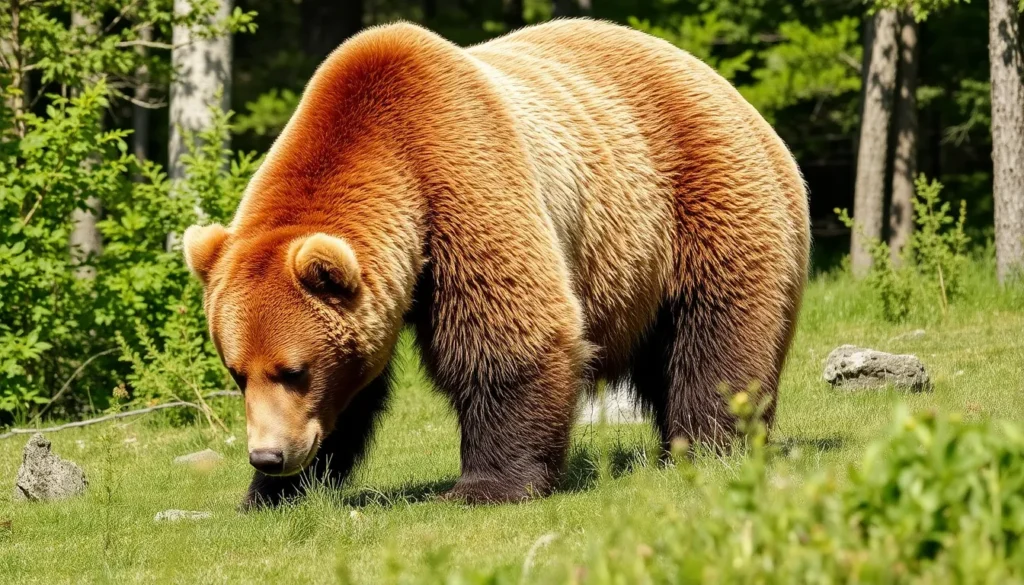
When it comes to bears, confusion often reigns supreme. Are brown bears and grizzly bears the same? It’s a question that sparks debates and leaves folks scratching their heads. Picture this: a bear with a bad attitude, lumbering through the woods, and you might just be picturing a grizzly. But hold on—brown bears can throw a bear-sized wrench in that theory.
Overview of Brown Bears
Brown bears belong to the species Ursus arctos. These large mammals inhabit various regions, including North America, Europe, and Asia. Variants include the grizzly bear, Kodiak bear, and Eurasian brown bear, which highlights the diversity within this species. Distinct geographic locations contribute to differences in size, color, and behavior.
Physical characteristics include a robust build, a broad head, and powerful limbs. Most weigh between 200 to 1,500 pounds, depending on their subspecies and habitat conditions. Coat colors typically range from light brown to nearly black, which further complicates identification.
Diet patterns show brown bears as omnivorous. They consume berries, nuts, salmon, and, at times, small mammals or carrion. Seasonal changes influence their eating habits, with a focus on high-calorie foods before winter hibernation.
Behaviorally, brown bears exhibit solitary tendencies, except during mating season and when mothers care for cubs. Cub rearing is crucial for population sustainability, with mothers often raising two to three cubs at a time. Hibernation during winter months acts as a survival strategy, allowing them to conserve energy when food availability drops.
Human interactions impact brown bear populations significantly. Habitat destruction, hunting, and climate change threaten their natural environments. Conservation efforts aim to protect these bears by establishing reserves and implementing regulations on hunting and land use.
Understanding the intricacies of brown bears enhances comprehension of their role in ecosystems. Clear distinctions and similarities with grizzly bears foster informed discussions about their conservation and behaviors. The next section addresses the specific comparisons between brown bears and grizzly bears, clarifying further misconceptions.
Understanding Grizzly Bears
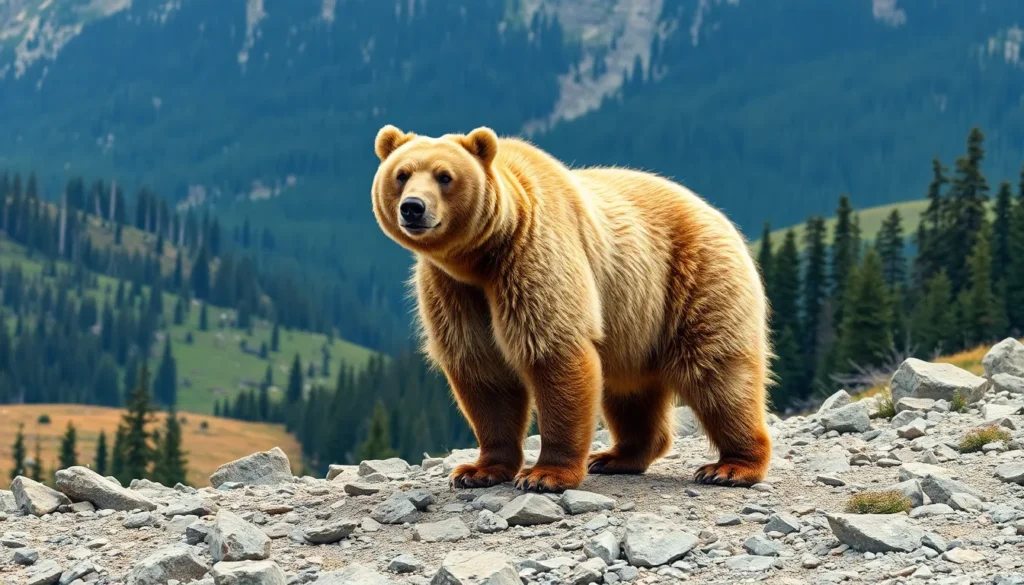
Grizzly bears, a specific subset of brown bears, exhibit unique characteristics that differentiate them from other brown bear variants.
Characteristics of Grizzly Bears
Grizzly bears possess distinct physical traits. Their fur often appears light brown to dark brown, with some having a grizzled appearance due to white-tipped hairs. Weights typically range from 300 to 1,000 pounds, while height can exceed eight feet when standing. The broad skull, powerful jaws, and large claws contribute to their capability as omnivores. Grizzly bears have an impressive sense of smell, essential for locating food sources. Behaviorally, they display varying degrees of aggression, particularly when protecting cubs or territory. Males may be solitary, while females tend to stay with their young for up to three years, influencing population dynamics.
Habitat of Grizzly Bears
Grizzly bears thrive in diverse habitats across North America. These habitats include forests, alpine meadows, and coastal regions. Preferred locations often provide access to food, shelter, and water. Coastal areas are vital due to abundant salmon runs, while mountainous regions offer ample foraging opportunities. In the U.S., grizzly bears primarily inhabit national parks and protected areas in places like Yellowstone and Glacier National Park. Human encroachment on these habitats raises concerns for bear populations. Conservation efforts emphasize habitat preservation to support their survival and mitigate human-bear conflicts.
Differences Between Brown Bears and Grizzly Bears
Brown bears and grizzly bears exhibit distinct differences that contribute to their classification. Understanding these variances helps clarify common misconceptions.
Size and Weight Comparison
Grizzly bears, a subset of brown bears, typically weigh between 300 and 1,000 pounds. Adult brown bears can range from 200 to 1,500 pounds, indicating greater size variability within the species. When standing, grizzly bears can reach heights exceeding eight feet. Brown bears, depending on their geographic location and subspecies, may also display significant height variations. Such differences in size impact their feeding habits, territorial behaviors, and interactions within ecosystems.
Fur Color Variations
Fur color among brown bears varies considerably, spanning shades from light brown to nearly black. Grizzly bears, while similarly colored, often showcase a distinctive grizzled appearance due to white-tipped hairs. This unique feature sets them apart visually from other brown bear variants. Regional differences further influence fur coloration, as environmental factors shape these bears’ adaptations. Identifying these color patterns aids in recognizing and understanding both types of bears in their natural habitats.
Similarities Between Brown Bears and Grizzly Bears
Brown bears and grizzly bears share several significant traits, which contribute to the existing confusion between the two. Both belong to the species Ursus arctos, highlighting their close genetic relationship.
Diet and Feeding Habits
Both brown bears and grizzly bears maintain an omnivorous diet, consisting of berries, nuts, and salmon. Seasonal changes affect their feeding behavior, prompting them to adjust their food sources accordingly. During summer months, both often consume high-calorie food to prepare for hibernation. Grizzly bears specifically favor salmon in coastal areas, exploiting the fish runs during spawning seasons. The presence of food sources varies by habitat, influencing their feeding patterns and energy conservation strategies.
Behavior Patterns
Both types of bears generally display solitary behaviors. Males tend to live independently, while females nurture their cubs for up to three years. When it comes to aggression, both can become defensive, especially when protecting young. Social interactions do occur, primarily during mating or when two bears converge over food sources. Maternal behavior significantly influences population dynamics for both groups, affecting cub survival and overall bear populations. These shared behaviors emphasize their adaptability and survival instinct within varying environments.
Conservation Status of Brown Bears and Grizzly Bears
Brown bears and grizzly bears face significant conservation challenges. Habitat loss, hunting, and climate change threaten their populations globally. Many brown bear populations are considered stable, but certain areas, particularly in the continental U.S., experience declining numbers.
Conservation status varies by region. In North America, the U.S. Fish and Wildlife Service lists the grizzly bear as a threatened species in the lower 48 states. Key populations exist in national parks such as Yellowstone and Glacier, benefiting from protection measures. For instance, Alaska has a healthy population of brown bears, with estimates around 30,000 individuals.
Conservation programs actively work to protect these bears. Efforts include habitat preservation, restoration projects, and public education initiatives designed to reduce human-bear conflicts. Successful programs in places like British Columbia emphasize the importance of maintaining natural corridors to support bear movement and genetic diversity.
Most states enforce hunting regulations to mitigate population decline. For example, some regions allow regulated hunting seasons to manage bear populations while ensuring sustainability. Effective monitoring and research programs help assess population dynamics and adjust conservation strategies as needed.
Brown bears play a vital role in their ecosystems. Their foraging behaviors assist in seed dispersal, promoting plant diversity. Healthy bear populations contribute directly to maintaining the balance within their habitats. With continued conservation efforts, both brown bears and grizzly bears can thrive for generations to come.
The relationship between brown bears and grizzly bears is complex yet fascinating. Recognizing their distinctions is crucial for understanding their behaviors and habitats. While grizzly bears represent a specific subset of brown bears they share many traits due to their common ancestry.
Conservation efforts remain vital for both types of bears as they face numerous threats from human activities. Protecting their habitats ensures these magnificent creatures continue to thrive in the wild. By fostering awareness and promoting sustainable practices people can contribute to the preservation of these iconic species. As stewards of the environment it’s essential to support initiatives that safeguard the future of brown bears and grizzly bears alike.