

In a world where shopping has transformed from a leisurely stroll through the mall to a high-speed click-fest, shopping technology is the unsung hero of modern retail. Gone are the days of wandering aimlessly, hoping to stumble upon the perfect pair of shoes. Now, with a few taps on a screen, shoppers can summon their desires faster than a pizza delivery.
Overview of Shopping Technology
Shopping technology encompasses various tools and systems that enhance the retail experience. Online marketplaces, for instance, allow customers to browse extensive inventories without leaving their homes. Mobile apps streamline purchasing processes, enabling consumers to shop on-the-go.
Artificial intelligence plays a crucial role in personalizing shopping experiences, offering tailored product recommendations based on individual preferences. Chatbots serve as virtual assistants, answering questions and guiding users through their shopping journey.
Augmented reality aids in visualizing products, allowing consumers to see how items fit into their lives before making a purchase. E-commerce platforms integrate advanced analytics, helping retailers understand consumer behavior and optimize inventory management.
Payment technologies, such as digital wallets and contactless payments, ensure secure and speedy transactions. In-store technologies, like kiosks and smart mirrors, enhance the physical shopping experience, bridging the gap between online and offline retail.
Retailers leverage data to create targeted marketing campaigns, ensuring customers receive relevant offers. Automation simplifies order fulfillment, allowing for faster shipping and improved customer satisfaction.
User-generated content, such as reviews and ratings, informs purchasing decisions, fostering trust between consumers and brands. Overall, shopping technology continues to evolve, driving innovation and shaping how consumers engage with products and services.
Types of Shopping Technology
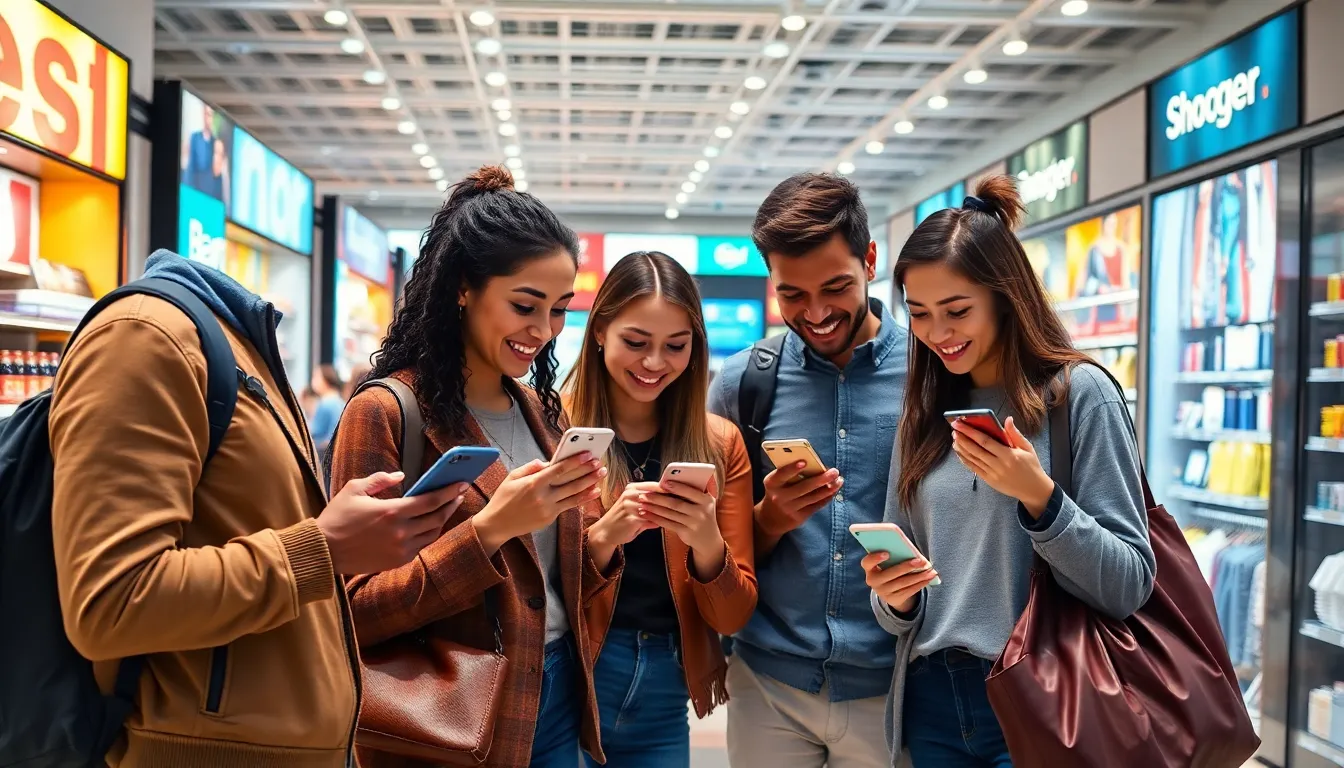
Shopping technology encompasses various tools and platforms that enhance the retail experience. Understanding these types helps consumers maximize their purchasing potential.
Online Shopping Platforms
Online marketplaces serve as hubs for buyers and sellers. Websites like Amazon and eBay allow users to browse vast inventories from the comfort of their homes. Competitive pricing, wide selection, and customer reviews make these platforms attractive. User-friendly interfaces simplify navigation, while secure payment options ensure safe transactions. Frequent promotions and discounts further incentivize online shopping, making it a popular choice for diverse customers.
Mobile Shopping Apps
Mobile shopping apps facilitate purchasing on-the-go. Retailers like Walmart and Target offer applications that allow users to shop anywhere, anytime. These apps often incorporate features such as order tracking and personalized recommendations. Additionally, push notifications keep users informed about sales and new releases. Loyalty programs integrated into mobile apps encourage repeat business. The convenience of mobile shopping significantly enhances the overall consumer experience.
Augmented Reality in Shopping
Augmented reality (AR) transforms how consumers interact with products. Retailers like IKEA and Sephora utilize AR to help customers visualize items in their spaces. This technology enables users to project furniture sizes or makeup shades into real-life environments. Customer confidence increases as they make informed purchasing decisions. Enhanced interactivity and real-time experiences engage shoppers, bridging the gap between physical and digital retail.
Benefits of Shopping Technology
Shopping technology offers numerous advantages that enhance both consumer interaction and operational effectiveness in the retail landscape.
Enhanced Customer Experience
Shopping technology transforms the retail experience through personalization and convenience. Online platforms utilize data analytics, presenting shoppers with customized recommendations tailored to their preferences. Mobile apps streamline the purchasing process, allowing customers to buy items while on the move. Augmented reality functions provide a unique way for consumers to visualize how products fit into their lives, increasing purchase confidence. Chatbots assist customers around the clock, answering inquiries and guiding them through the shopping journey. This accessibility leads to a more engaging and satisfactory shopping experience, fostering customer loyalty and trust.
Increased Efficiency
Efficiency in shopping has significantly improved due to advancing technologies. E-commerce platforms adopt automation to streamline inventory management and order fulfillment. This technology reduces wait times and ensures products are available when customers need them. Payment innovations, including digital wallets, enhance transaction speed while ensuring security. Retailers benefit from advanced analytics, which enables more informed marketing strategies and optimized supply chains. Overall, these enhancements maximize operational productivity, allowing retailers to serve customers better and adapt swiftly to market demands.
Challenges in Shopping Technology
Shopping technology faces significant challenges, particularly regarding privacy, security, and accessibility. Addressing these issues is crucial for maintaining consumer trust and encouraging broader adoption.
Privacy and Security Concerns
Consumers express worry about how their data is collected and used. Breaches expose sensitive information, undermining confidence in online shopping platforms. Retailers rely on advanced security measures, such as encryption and two-factor authentication, to protect customer data. Transparency in data practices builds trust, as consumers prefer knowing how their information is utilized. Regular updates and audits help ensure security systems remain robust against potential threats.
Technology Accessibility Issues
Not every consumer has equal access to shopping technology. Factors like socioeconomic status or geographic location significantly impact access to the internet and modern devices. Older generations may struggle with new technologies, leading to a digital divide. Retailers benefit from addressing these barriers by simplifying user interfaces and offering various purchasing options. Companies can enhance inclusivity by providing support resources and educational materials tailored to diverse customer bases.
Future Trends in Shopping Technology
Artificial intelligence is set to transform shopping technology further, enhancing customer personalization. Retailers will increasingly use AI to analyze purchasing patterns and recommend products tailored to individual preferences. This could lead to a seamless shopping experience where choices feel intuitive.
Augmented reality is also expected to gain traction, allowing shoppers to visualize products in their own environments before making a purchase. Integrating AR into mobile shopping apps enhances decision-making by providing immersive experiences. Shoppers may find it easier to visualize how furniture fits into their spaces or how clothing looks without trying it on.
Voice commerce stands to revolutionize how consumers interact with e-commerce platforms. Smart speakers can facilitate shopping by enabling voice commands for product search and purchasing. This hands-free approach offers convenience and speeds up the shopping process.
Mobile payment technologies are advancing, with digital wallets becoming more prevalent. Consumers appreciate the speed and security of contactless payments, encouraging retailers to adopt these systems widely. Enhanced payment solutions could cater to consumer preferences, ensuring smooth transaction processes.
Blockchain technology could upend traditional supply chain practices in retail. By offering transparent tracking of products from source to consumer, blockchain fosters trust. Shoppers may feel more secure knowing the origins and authenticity of their purchases.
Diverse payment options will continue to emerge, accommodating various consumer needs and preferences. Retailers may introduce buy-now-pay-later solutions and flexible payment plans. Providing a range of options can increase conversion rates and customer satisfaction.
As shopping technology evolves, inclusion and accessibility will become critical. Retailers will prioritize user-friendly interfaces and resources that cater to all customers, ensuring everyone has equal access to shopping innovations. This focus on inclusivity will shape the next phase of retail technology.
Shopping technology is transforming the retail landscape in profound ways. As consumers increasingly rely on digital solutions for their shopping needs, the focus on efficiency and personalization grows. Retailers must adapt to these changes while addressing challenges like privacy and accessibility.
Future advancements promise to further enhance the shopping experience through innovations like artificial intelligence and augmented reality. These technologies will not only streamline the purchasing process but also create a more engaging environment for consumers.
By prioritizing inclusivity and security, retailers can ensure that everyone benefits from the evolving shopping landscape. Embracing these trends will be crucial for staying competitive in a rapidly changing market.